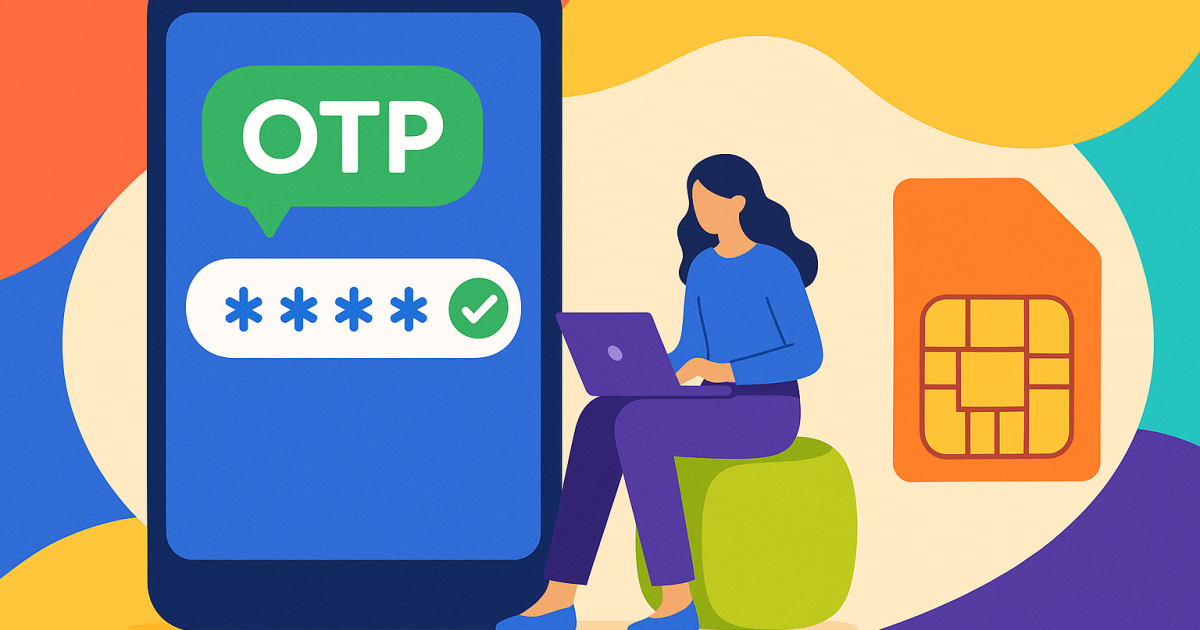
Free Virtual Number for OTP: Complete Guide for Non-Technical Users
Introduction
A free virtual number for OTP (One-Time Password) gives you a way to receive verification codes without using your primary phone number. These codes are commonly required for account signups, sensitive transactions, and ensuring security online. However, the catch is that many free services can come with limitations like ads, potential expiry, and unreliable reception of OTP messages. This guide walks you through what a virtual number is, how it works, practical scenarios where you can use it, and potential risks associated with using free options.What It Means / How It Works
A virtual phone number is a cloud-based number that’s not tied to a physical phone line. When you set it up, any incoming calls or texts sent to this number are forwarded to your primary number or displayed in a dedicated app. 1. **OTP Generation**: When a service (like a bank or social media platform) asks for a phone number for security, you provide your virtual number instead of your main one. 2. **Receiving OTP**: The verification code is sent to your virtual number. Depending on the provider, you can receive this as text or via an app. 3. **Account Verification**: Enter the received code into the verification form of the service you are using to authenticate your identity. In essence, it allows you to safeguard your personal number by using a virtual one exclusively for verification purposes.Practical Scenarios
Using a free virtual number can be beneficial in various situations, including:- Registering for Temporary Services: When signing up for free trials that require a phone number.
- Online Marketplaces: Sellers and buyers may use virtual numbers to chat without sharing personal info.
- Social Media Accounts: Maintain privacy when creating accounts on platforms like Facebook or Twitter.
- Password Recovery: Use it for account recovery processes across different platforms.
- Travel and Logistics: For booking accommodation or flights that ask for a phone verification.
- Testing Applications: Developers can use instances of virtual numbers to validate processes without messing up personal accounts.
- Protection from Spam Calls: Using a virtual number reduces exposure to telemarketers and spam.
- Sensitive Transactions: When dealing with banks or financial services requiring heightened security measures.
- Event Registrations: Use it for event or contest sign-ups that demand a mobile number.
- Temporary Projects: If you're working on a short-term project that requires a way to connect without revealing your main phone line.
Step-by-Step Guide: How to Obtain and Use a Free Virtual Number for OTP
Follow these steps to get your free virtual number: 1. **Choose a Virtual Number Provider**: Select a trusted service offering free virtual phone numbers. 2. **Sign Up**: Most providers will require you to create an account, typically via your email address. Fill in the needed information. 3. **Pick a Number**: After registering, you can choose from available numbers. The provider may offer numbers from specific countries. 4. **Access Features**: Check the platform for incoming text/SMS features since not all providers support OTP reception. 5. **Link Your Virtual Number**: Use the chosen virtual number when signing up for services that require a phone number. 6. **Check for Incoming OTP**: Retrieve the verification code via their app, email, or text forwarding feature. 7. **Enter the Code**: Use the code to verify your account within the designated time frame. Remember to log into your virtual number provider's site or app if you need to receive messages frequently.Safety/Privacy/Legal
When using free virtual numbers, it is crucial to be mindful of safety and privacy. Here are several factors to consider: 1. **Data Privacy**: Free services often exploit user data to fund their operations. Read privacy policies to understand how your information is used. 2. **Shared Numbers**: Many free providers recycle numbers. This means you might get a number previously used by someone else, possibly leading to confusion or missed OTPs. 3. **Legal Limits**: Be aware of terms of service agreements pertaining to the usage of virtual numbers, as misuse could potentially lead to legal complications. 4. **Secure Your Data**: Avoid using virtual numbers for highly sensitive applications, such as banking if you need frequent OTP access. 5. **Malwares and Phishing Risks**: Cybercriminals might target free number services; always verify incoming messages for signs of phishing. 6. **Unreliable OTP Reception**: Free services may not reliably receive OTPs due to issues like blocking or restrictions imposed by some service providers.Best Alternatives
For those who need more functionality and reliability, paid services may offer various advantages, such as persistent numbers, customer support, and additional features. One option for paid straightforward solutions is **PVACodes**, which provides dedicated virtual numbers for both SMS and OTP services without the typical limitations of freebies.Frequently Asked Questions
Q: Can I use a free virtual number for all OTP verification requirements?
A: Many services support free numbers, but not all might accept them. Always check acceptance policies on the platform you're using.
Q: Are there costs associated with free virtual numbers?
A: Most virtual numbers are free, but you may encounter ads, and some services will ask for a fee upon signup or limit the capabilities.
Q: How long will my free virtual number exist?
A: Free numbers can be temporary and might expire after inactivity. Always look for stipulations from your provider.
Q: Can I receive SMS messages through a free virtual number?
A: Yes, most provide SMS reception, but this can vary by provider. Ensure your chosen service allows SMS and is reliable for receiving OTPs.
Q: Will I receive spam on my virtual number?
A: The likelihood of receiving unwanted messages is relatively low, but it can happen, especially if the number has been recycled or registered online previously.
Q: Can multiple people use the same virtual number?
A: Not ideally. Most services restrict each number to a single user due to privacy risks; recycling can lead to others accessing your messages if simultaneous usage occurs.
Q: What happens if I don’t receive my OTP?
A: If the OTP fails to arrive, check for restrictions set by the verification service. Also, ensure your virtual number supports incoming connections and is functional.
Q: Are there permanent virtual numbers that remain free?
A: Permanent free numbers are rare. Long-lasting virtual numbers usually come with some cost attached; consider your needs versus free versions.
Q: Is my personal info safe using a free virtual number?
A: It depends on the provider. Always ensure the chosen service has good reviews, privacy practices, and is trustworthy with data security.
Q: How do I change the virtual number if I need a new one?
A: Most providers have options within user accounts to select a different number. Check your provider's instructions since it varies unless a plan change requires an upgrade.