Phone Number for Verification: A Comprehensive Guide
Introduction
A phone number for verification is essential in today’s digital world. When you create accounts or make online transactions, many services request a verification process to ensure that you are who you claim to be. This usually involves receiving a code via SMS or a call on your provided phone number. Understanding how this verification process works, its value, and your options can help keep your online presence secure and your identity protected.
What it Means / How It Works
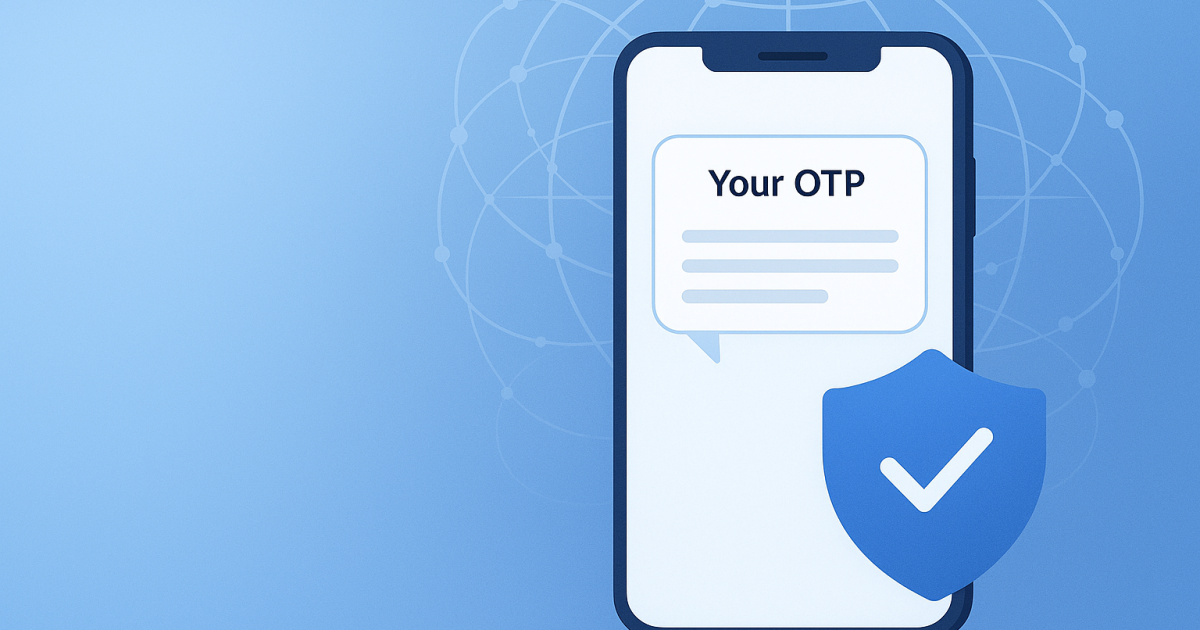
Your phone number plays a crucial role in the verification process by serving as a communication tool between you and the service provider. Here's a brief overview of how it works:
- Account Setup: When signing up for a service, you often need to enter your phone number.
- Code Generation: The service generates a unique one-time password (OTP) or verification code linked to your provided number.
- Code Delivery: The verification code is sent via SMS or voice call to the phone number you've provided.
- User Confirmation: You enter the received code back into the service's website or app to confirm that you control the phone number.
This method of identification adds an extra layer of security, making it significantly harder for unauthorized individuals to compromise your account.
Practical Scenarios
Here are some practical scenarios where you might need a phone number for verification:
- Account Creation: Establishing a new account for social media, email, or financial services requires verification to confirm user identity.
- Password Recovery: If you forget your password, many services will send a reset code to your registered phone number.
- Transactional Security: For online banking or shopping, many platforms use phone verification as a means to confirm identity before processing transactions.
- Two-Factor Authentication: This is an additional layer of security that stores verification codes on your phone aside from your regular password.
- App Installation: Some mobile applications, especially those dealing with sensitive customer information, require phone verification for added security during onboarding.
- Device Authorization: New devices accessing your account may prompt a verification request to confirm that they're authorized to do so.
- Service Notifications: Many services notify you of activity or important status updates through SMS, ensuring timely information exchange.
Step-by-Step
Here’s a step-by-step guide on how to use a phone number for verification effectively:
- Choose a Secure Service: When prompted for a phone number, ensure that the platform is trustworthy. Research their privacy policies.
- Enter Your Phone Number: Input your phone number accurately, verifying its format against regional codes as necessary.
- Receive Verification Code: Watch for an SMS or phone call that delivers your verification code. Make sure the number matches the service's originating number.
- Enter the Code: Input the OTP in the designated field on the service platform within the time limit specified, as these codes typically expire after a short period.
- Account Establishment: After successfully entering the correct verification code, continue completing your account setup or service usage.
Safety / Privacy / Legal
When engaging in phone number verification, consider these privacy and safety aspects:
- Data Security: Always check how the service uses and stores your phone number. Look for clear privacy policies and data management practices.
- Number Exposure: Providing your number can expose you to spam, especially if the service does not adequately protect user data.
- Communication Risks: Telephone numbers can be misused if shared or leaked, leading to potential phishing attacks.
- Complaints and Legal Issues: Understand your rights under data protection laws relevant to your jurisdiction to address issues concerning phone number usage or breaches.
To mitigate risks, consider using temporary or virtual phone numbers for sign-ups whenever appropriate. This can help maintain your privacy while still receiving necessary verification codes and other service communications.
Best Alternatives
While using your personal phone number is convenient, it comes with certain risks. Here are the alternatives:
- Temporary Phone Numbers: Services that offer temporary numbers can benefit users needing verification. These can provide a secure, disposable option, reducing personal data exposure.
- Virtual Phone Numbers: Regarded for their flexibility, virtual numbers allow you to receive SMS and voicemails without exposing your actual phone number. A service like PVACodes can offer reliable virtual numbers suitable for various verification needs.
- Email Verification: Some services provide email as a secure means of verification, varying by the specific platform.
These options help safeguard personal information while maintaining essential access to verification services directly related to your accounts.
Frequently Asked Questions
Q: Why do services need my phone number for verification?
Services often request your phone number to add an additional level of security and to confirm your identity. This is vital in preventing unauthorized access to your accounts.
Q: Can I use a landline for verification?
Generally, most services use SMS messages or voice calls for verification, which means a mobile phone is typically necessary. Some providers may allow calls to landlines, but this is less common.
Q: What should I do if I do not receive my verification code?
If you don’t receive it, check for any misspellings in your phone number and ensure you have a good signal. You may request the code to be sent again or check your spam filters and SMS inboxes.
Q: Is it safe to use my personal phone number for verification?
While many services are reputable, sharing your personal phone number always carries risk. Consider using alternatives like temporary or virtual numbers, especially with less known platforms.
Q: How long do verification codes remain valid?
Verification codes are usually time-sensitive and often expire after 5 to 15 minutes. If your code expires, most services will allow you to request a new one.
Q: Can my phone number be used to hack my account?
In certain cases, if someone colludes to get your phone number and OTPs (especially through phishing), they can potentially access your accounts. Practice caution and utilize two-factor authentication wherever possible.
Q: What if someone has my code but not my phone?
Unfortunately, someone could attempt account access if they have both your code and your number. Maintaining robust, unique passwords and enabling two-factor authentication can help protect against unauthorized access.
Q: Do all services support SMS verification?
No, not all platforms use SMS verification. Alternatives may include email, authenticator apps, or voice call verification, depending on the specific service's protocol.
Q: Is the verification process the same for all countries?
No, regulations and procedures can vary by service based on country specifics, including code format and carrier support for SMS delivery.
Q: Are there any age restrictions to provide my phone number?
Most services require the user to be of a legal age to agree to terms and conditions; this often includes proper parental permissions for those underage, affecting your ability to sign up.
Conclusion
Understanding the role of a phone number for verification is crucial for securing your online presence. Appropriately using your number adds a valuable security layer essential for protecting digital identities. Explore alternative verification methods like temporary or virtual numbers to protect your personal data as a smart choice. These solutions offer flexibility while helping you stay secure in your online activities.
By being informed about the verification process and your options, you can make decisions that best suit your personal security and privacy needs.