Understanding Numbers to Verify: An Informational Guide
Introduction
When you're asked for a number to verify, it usually refers to a phone number that will receive a verification code during an account setup or security process. This verifiable number plays a critical role in enhancing online safety and ensuring that users are authentic when accessing sensitive information or services.
What It Means / How It Works
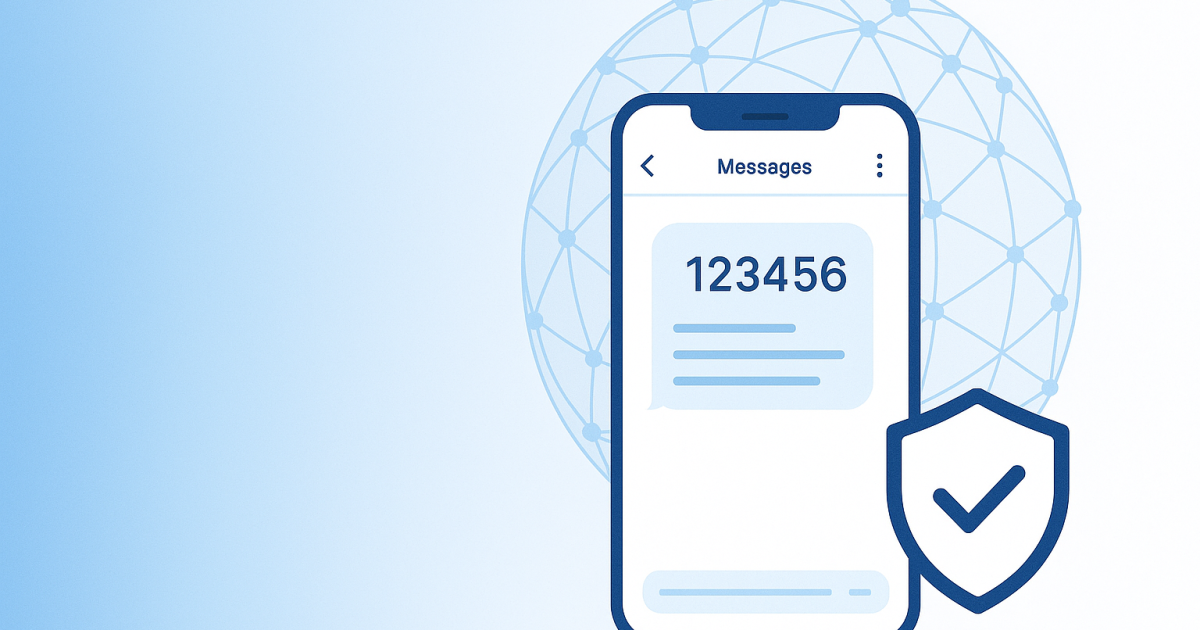
A "number to verify" typically relates to the phone numbers used in the process of two-factor authentication (2FA) or SMS verification. When you register for an online service, the platform may prompt you to enter your phone number, which then receives a one-time password (OTP) via SMS.
Here’s how the verification process usually works:
- You provide your phone number to the service.
- The service sends a verification code (OTP) to that number.
- You enter the received code into the service to confirm your identity.
This additional step helps prevent unauthorized access to your account by ensuring only the verified user can proceed. Using a valid number is essential if you want to successfully complete this verification.
Practical Scenarios
Here are some practical scenarios where you might need a number to verify:
- Creating New Accounts: Online banking, social media, e-commerce, and gaming platforms often require your number for creating accounts.
- Password Recovery: If you forget your password, a verification number is typically sent to your registered phone to help you reset it.
- Enhanced Security: When logging in from an unrecognized device or location, you'll likely need to verify via SMS.
- Two-Factor Authentication: Services like email providers may ask for your number to add an extra layer of security by confirming your identity before granting access.
- Mobile App Sign-ups: Many mobile applications require a phone number to verify user identity or send updates.
- Shopping Sites: When making purchases on e-commerce websites, you may need a number to verify payment information or to prevent fraud.
- Confirmation of Personal Information: Services may require your phone number to ensure the details you’ve provided are correct and up to date.
- Event Registrations: Whether signing up for online webinars or physical events, a number might be needed to verify your reservation or attendance.
- Social Media Verification: Platforms such as Facebook or Twitter use phone number verification to limit bots and spam accounts.
- Withdrawals to Bank Accounts: Financial services may require verification of your mobile number before permitting you to withdraw and transfer cash.
Step-by-Step
To use a number for verification effectively, follow these steps:
- Select the Service: Choose the platform or service where you want to sign up, log in, or verify information.
- Enter Your Phone Number: Input your active mobile phone number when prompted. Ensure it's correct to receive your verification code.
- Receive the Code: Wait for the SMS containing the verification code. This usually takes only a few moments.
- Input the Code: Enter the received code into the designated area on the platform.
- Complete the Process: Follow any additional prompts or steps required by the service to complete the verification.
- Save the Number: Use the same number for any future logins or verification needs. Make a note of recovery options if you need to reset your number later.
Safety / Privacy / Legal
Using a number for verification adds a layer of security, but it's essential to be aware of safety and privacy concerns:
- Privacy Risks: Publicly available phone numbers can expose you to unwanted marketing, spam calls, or scams. If you use a verification number publicly, be cautious of its implications.
- Number Authenticity: Always use a number that you trust and control because possession of that phone is vital for verification processes and recovery situations.
- Recycled Numbers: Phone numbers may be reused. If you acquire a new number that was previously associated with another user, be prepared for potential verification issues.
- Legal Alerts: Be aware that providing your phone number can enable the platform to contact you for various purposes, and they may share your number under specific conditions according to their privacy policies.
- Data Protection Regulations: Compliance with regulations like the GDPR requires services to obtain your informed consent for activating SMS verification processes.
Best Alternatives
If you're concerned about privacy and still need a phone number for verification purposes, consider these alternatives:
One option is PVACodes, which offers temporary and virtual phone numbers suited for receiving SMS verification messages. This lessens the privacy risks of using a personal number for one-time verifications.
Frequently Asked Questions
Q: What if I don't have a phone number to verify?
If you lack a personal phone number, some services may allow the use of a friend's number or an alternative verification method, such as email. Always check the service’s policy.
Q: Can I use an online app to receive SMS codes?
Yes, there are several apps and services specifically designed for receiving SMS messages online, but their functionality may vary based on the platform.
Q: Do I need to enter a number for every login?
Generally, you'll need to verify by entering your number only during sign-ups and occasionally when logging in from new devices, but the requirement can vary based on the service's settings.
Q: What happens if I wait too long to enter the verification code?
Most verification codes expire after a certain time limit—usually a few minutes—so you should enter the code promptly to complete the verification process.
Q: Can I use a landline number for verification?
Some services allow verification through landline numbers, but initially, you may not receive SMS; instead, you might receive automated voice calls with the code.
Q: Is my verification number auctioned or shared with third parties?
Typically, your verification number and its usage depend on the service provider's privacy policy. Always read the terms to understand how they handle your data.
Q: How can I change the phone number associated with my account?
Changing your verification number often involves going to account settings and selecting the option to update your contact details. Verify your identity to make sure it’s a secure process.
Q: What are the most common issues preventing code receipt?
Delay in receiving verification codes can happen due to carrier issues, service overloads, or incorrect numbers entered. Ensure your phone has a signal to receive SMS and retry if necessary.
Q: What if my number is no longer valid?
If you’re unable to access your number any longer, try to use the service’s recovery options or reach out to their support team for help in resetting your account.
Q: Are there risks to using a public phone number?
Using a public number can lead to privacy concerns as your texts may be accessed by others. It’s safer to use temporary or private numbers for online verification.
Conclusion
A number to verify is a critical component in securing your online account and user identity. By understanding how this mechanism works, recognizing its practical applications, and knowing your privacy options, you can navigate the complexities of online verification safely. Always make essential decisions regarding number usage carefully, and opt for reliable services that prioritize your security, like PVACodes for temporary numbers when necessary.