Understanding Verification Numbers: A Comprehensive Guide
Introduction
A verification number is a unique code generated to confirm your identity during various online processes, such as account creation, login, or sensitive transactions. These numbers help bolster security by ensuring that the information is sent to the right person. Whether you're trying to set up a new social media account or secure online banking, understanding verification numbers is essential for keeping your accounts safe.
What it Means / How it Works
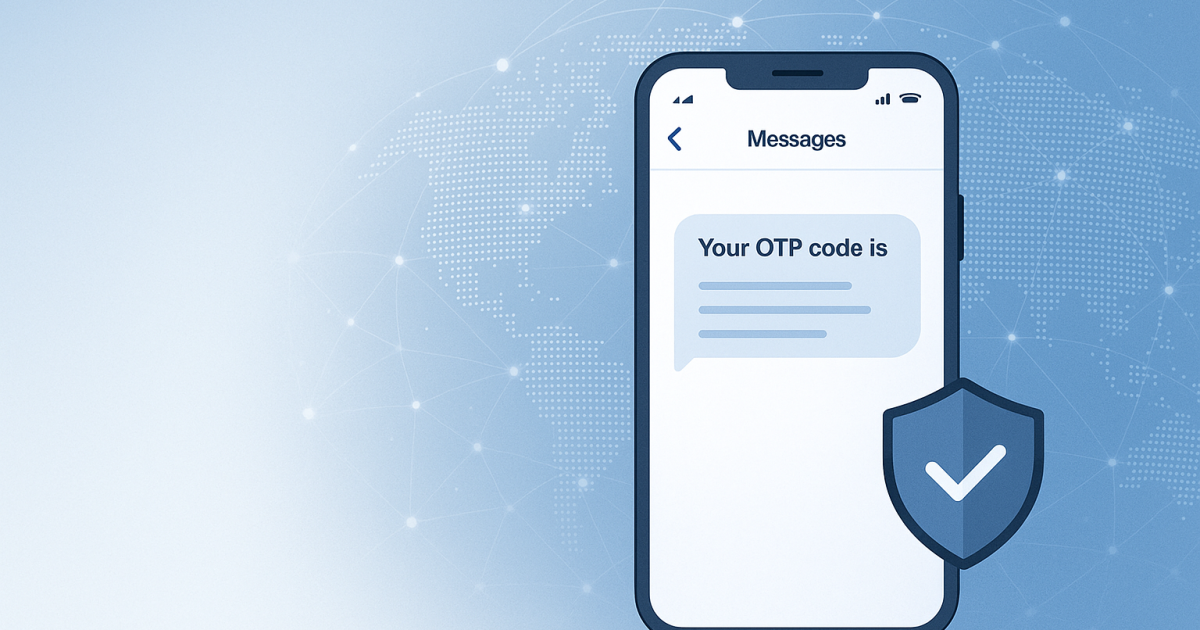
A verification number, often referred to as an OTP (One-Time Password), can arrive through various channels, including SMS, email, or voice call. This number serves as an added layer of defense, designed to authenticate your identity before allowing access to accounts or information. The process usually involves the following steps:
- You initiate a login or sensitive transaction request.
- The service provider sends a verification number to your registered phone number or email address.
- You enter this number on the platform to prove your identity and gain access.
Verification numbers are generally time-sensitive, meaning they expire after a brief period for safety reasons. This ensures that unauthorized individuals can't easily misuse them.
Practical Scenarios
Verification numbers are commonly used in a variety of situations, including but not limited to:
- Account Creation: When signing up for a new platform, verification numbers help ensure you have the right contact details.
- Login Attempts: If you try to log in to your account from a device that the service does not recognize, you’ll be prompted to enter a verification number.
- Password Reset: When requesting a password reset, you'll receive a verification number to validate the request.
- Transactional Security: Sending and confirming high-value transactions often requires a verification code for added security.
- Two-Factor Authentication (2FA): Verification numbers are a staple in 2FA technologies to enhance account protection.
- Account Recovery: If your account is compromised, services often send a verification number to help you recover it.
- Device Recognition: Registering a new device for online services usually requires your verification number for authentication.
- New Application Access: Accessing sensitive data through apps often necessitates a verification code for additional security.
- Software Updates: Certain systems may require verification numbers to authorize software updates or modifications.
- Transaction Alerts: You may receive verification codes when significant actions are taken in your accounts, ensuring you stay informed.
Step-by-Step Process for Receiving and Using a Verification Number
Using a verification number may seem tricky at first, but it usually follows a straightforward process. Here’s a basic guide:
- Initiate the Action: Start the process that requires verification, such as signing into a service or making a payment.
- Choose Your Verification Method: Depending on the service, you may select how you want to receive the verification number (SMS, email, or voice call).
- Receive the Number: After making the choice, check your device (phone or email) for the incoming code.
- Input the Code: Carefully type or copy the number into the necessary field on the platform and submit the entry.
- Access Granted: If the code matches and is within its valid timeframe, you'll gain access as intended.
Safety, Privacy, and Legal Considerations
While verification numbers serve to create a more secure online environment, it's crucial to remain cautious:
- Stay Secure: Always ensure that you are logged into genuine sites before entering a verification number to avoid phishing attempts.
- ID Verification: Some services require verification of your identity occasionally, making it vital you keep your phone number or email current.
- Privacy Risks: Verification numbers sent to your phone or email can be intercepted; be mindful about sharing these codes.
- Legal Compliance: The use and storage of verification numbers are bound by privacy laws, making it important for platforms to adhere to these regulations.
Best Alternatives
Verification numbers increased the agility of securing accounts, but substitute methods can suffice based entirely on your preference and security needs. For instance, instead of relying solely on public services for verification, consider private options for enhanced security. For users seeking flexibility, PVACodes could also serve as an example of an SMS solution to securely receive verification numbers and protect your privacy during both verification and two-factor authentication.
Frequently Asked Questions
What if I never received my verification number?
If you don’t receive your verification number, check your network signal, spam folder, or settings. Contact customer support if the issue persists.
Are verification numbers the same as passwords?
No, verification numbers are typically temporary and designed for single use, whereas passwords are permanent credentials for your account.
How long does a verification number typically last?
Most verification numbers have a validity period ranging between 5 to 15 minutes to increase security effectiveness.
Can anyone access my verification number?
In general, your verification number should only be accessible to you. However, avoid sharing it with anyone to minimize exposure risk.
Do I need to keep my verification number confidential?
Yes, maintaining the confidentiality of your verification numbers is crucial. Treat them like you would a password.
What happens if I enter the wrong verification number?
Most platforms will alert you to the invalid entry and may allow you to request a new number if necessary.
Is it safe to use public Wi-Fi to receive a verification number?
Using public Wi-Fi carries risks; it's safer to receive verification numbers over secure, personal connections to avoid interceptions.
Can I change the way I receive my verification number?
Yes, many platforms allow users to change their contact preferences for receiving verification numbers in their account settings.
What are some potential risks of verification numbers?
Risks may include phishing scams, interception of messages, and potential difficulty accessing codes if linked to outdated contact information.
Will I be charged for receiving verification numbers?
Receiving verification numbers is usually free, but standard SMS or data charges may apply based on your mobile service plan.
Conclusion
Verification numbers play a critical role in online security, helping to confirm your identity across various platforms. While they enhance safety for information, users must remain vigilant about privacy and the risk of misleading practices. Understanding how verification numbers work equips you with the knowledge to navigate your online interactions securely.