What Is a Country Code? A Complete Guide for Non-Technical Users
Introduction
When you hear the term "country code," you might wonder what it refers to and how it impacts your phone calls and communications. A country code is a numerical or alphabetical code that identifies a specific country when dialing internationally. Understanding country codes can save you both time and confusion when trying to connect with friends, business colleagues, or family abroad.
This article aims to give you a comprehensive understanding of what country codes are, their importance, how to use them, and the best practice alternatives for communicating internationally. By the end, you’ll have all the information you need about country codes at your fingertips.
What It Means / How It Works
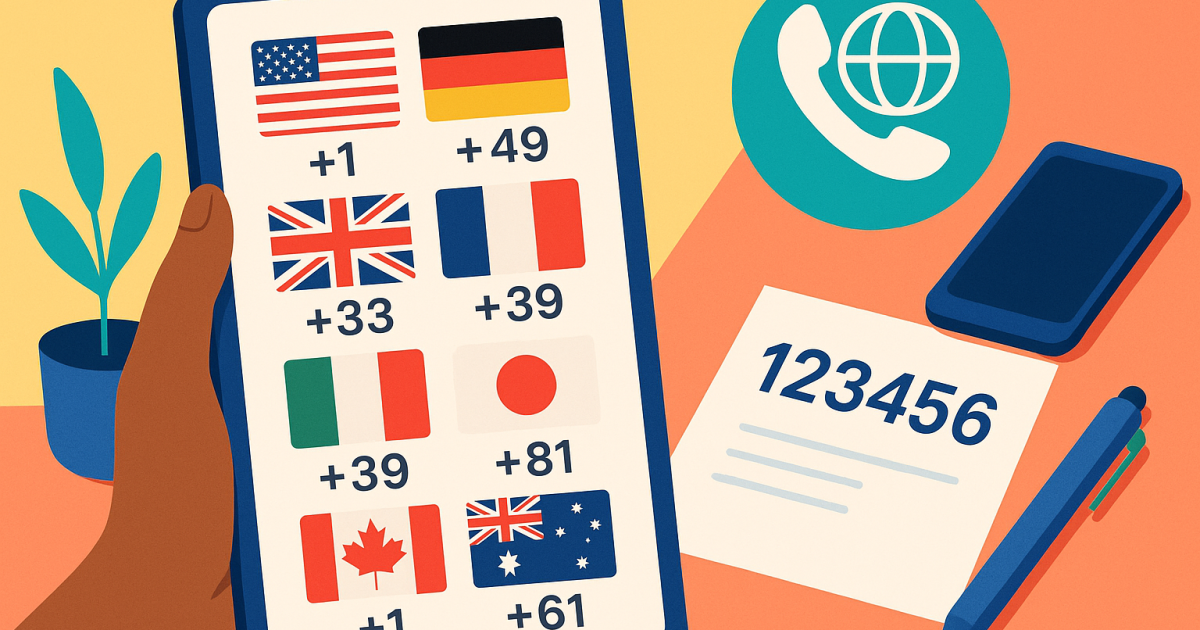
Country codes serve as essential components of international dialing. They denote the specific country from which a phone number originates. The International Telecommunication Union (ITU) governs these codes, assigning them to various nations based on a standardized system. Codes can consist of one to three digits. For instance:
- United States: 1
- United Kingdom: 44
- Germany: 49
When dialing internationally, you must first enter the exit code of your country (like 011 in the USA), followed by the country code of the destination country, and then the local phone number. For example, if you want to call a number in Germany from the USA, you will dial:
011 (exit code) + 49 (Germany's country code) + local number
Practical Scenarios
Here are several scenarios where knowing the country code will be beneficial:
- Connecting with a friend studying abroad to keep in touch.
- Calling customer support for a brand based in another country.
- Using your smartphone or landline to call family members during holidays.
- Teleconferencing with international colleagues for work meetings.
- Making purchases from international retailers who require a contact number.
- Doing research on companies operating in foreign markets.
- Traveling and needing to share your local contact information with businesses.
- Signing up for services or platforms that require a verification call to your number.
- Participating in international lottery or contests that involve phone communication.
- Connecting with emergency numbers while abroad for assistance or information.
Step-by-Step: How to Dial a Number Using Country Codes
Dialing an international number might feel complicated if you are unfamiliar with it, but here’s a simple step-by-step guide you can follow:
- Find the destination country code: Look up the country code for the country you want to call.
- Dial the exit code: Enter your country's exit code, which allows you to call abroad.
- Enter the country code: After the exit code, input the country code related to your contact's country.
- Dial the local number: After the country code, enter the local phone number of the person you are trying to reach.
- Press call: Finally, press the call button to connect with the desired number.
For example, calling a local number in Australia with the number 1234 5678 starts with:
011 (USA exit code) + 61 (Australia country code) + 12345678
Safety, Privacy, and Legal Considerations
When dialing international numbers or sharing your phone number, consider the following:
- Privacy risks: Your phone call may be accessed or recorded by intermediaries. Avoid providing sensitive personal information over the phone.
- Scams: Be cautious of calls from unfamiliar country codes, especially those requiring you to call back urgently—this might indicate scams.
- Robocalls: Certain country code zones can generate unwanted robocalls. Use Caller ID features if available.
- Legal implications: Understand international privacy and telecommunications regulations as different countries have various rules in place.
Best Alternatives
While using country codes for international calls is straightforward, apps like PVACodes offer renewed options for connecting with people worldwide without dialing complex codes. These services often permit VoIP communications or alternative messaging that eliminates the need for cumbersome international dialing tariffs.
Frequently Asked Questions
Q: What does the '+' signify before a country code?
A: The '+' sign indicates that you need to dial the exit code of your current country before entering the country code when calling internationally.
Q: Can country codes change?
A: Yes, while rare, country codes can change due to political actions or reorganizations in telecommunications, so always verify beforehand.
Q: What is an exit code?
A: An exit code is a number that you dial to initiate an international call from your home country. For example, the exit code for the USA is 011.
Q: How can I find the right country code easily?
A: Numerous online resources and international dialing code websites list country codes by their respective countries for quick reference.
Q: Are country codes the same as area codes?
A: No, country codes distinguish countries, while area codes identify specific geographic areas within those countries.
Q: Will I incur charges every time I use a country code to call?
A: Yes, calling internationally using country codes typically involves charges based on your plan, so it’s advisable to check with your phone provider.
Q: What phone services are best for international calls?
A: Depending on your need, VoIP services like Skype or WhatsApp provide inexpensive options. Alternatively, traditional carriers might offer competitive rates too.
Q: How do I dial an international toll-free number?
A: Dial the standard international format for toll-free numbers, which typically includes the country code followed by the toll-free number itself.
Q: Can I use texting with country codes as well?
A: Yes, you can send messages to international numbers by ensuring you start with the 'plus' and country code followed by the local number.
Q: What happens if I forget a country code?
A: If you forget the country code, your call may not go through, and you will have to look it up to retry.
Conclusion
Understanding country codes and how to use them is vital for effective communication, especially in this interconnected world. Whether it’s keeping friendships alive across oceans or making necessary business calls to international clients, country codes simplify the dialing process.
By following the steps outlined and considering your privacy and legal responsibilities, you can make your international communication more straightforward and safer. Remembering to look up country codes beforehand will ensure that you reach the right destination without hassle.